It usually starts with something small.
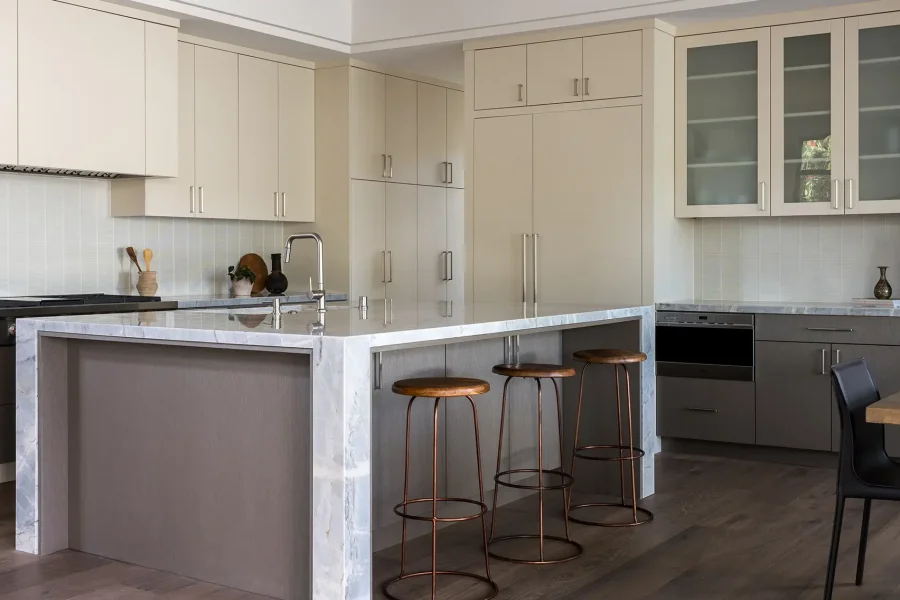
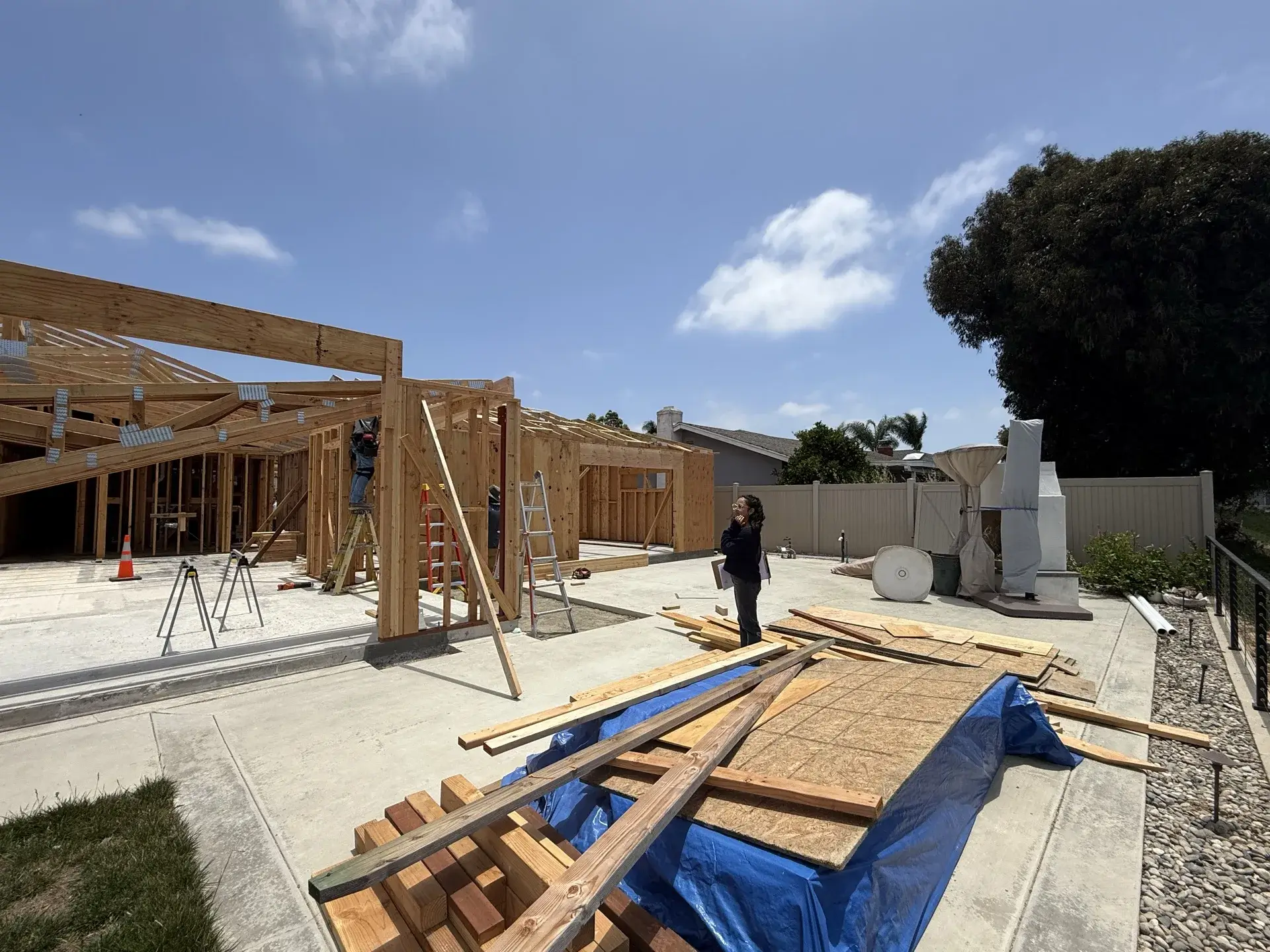
A client is standing in the middle of their future kitchen, looking at framing instead of finishes. Someone asks if they’ve chosen the faucet.
“Not yet,” they say. “We’ll decide later.”
It’s a completely reasonable response. After all, the countertops haven’t been installed. The cabinets aren’t painted. There isn’t even a sink yet. Why would anyone need to choose a faucet months before they’ll actually turn it on?
The answer isn’t the faucet. It’s everything connected to it.
By the time construction begins, every room in a home has become a network of interconnected decisions. Cabinet dimensions affect appliance specifications. Appliances influence electrical and plumbing locations. Lighting depends on furniture layouts. Window treatments impact framing details. One selection subtly informs the next until hundreds of decisions have become one coordinated plan.
Pull on one thread, and the entire sweater moves.
This is one of the biggest misconceptions about designing a home. From the outside, it can seem like construction follows design — that first you dream, then you build. In reality, the two happen simultaneously. Every design decision has a construction consequence and every construction decision has a design consequence. That’s why we spend so much time planning before the first wall comes down.
The Domino Effect
Imagine you’ve decided to wait on selecting your kitchen pendants. It doesn’t seem urgent. They’re just decorative, right?
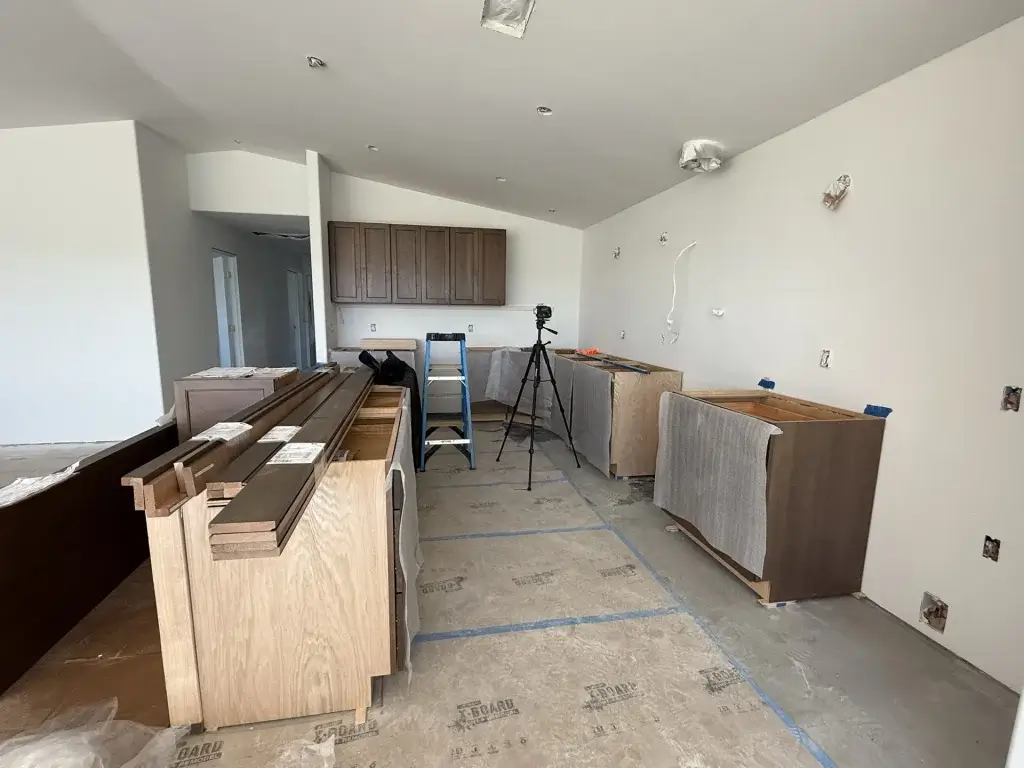
Except the electrician needs to know exactly where they’ll hang. The island dimensions affect spacing. The fixture itself determines the mounting hardware. Ceiling details may change depending on weight. If the pendants have a long lead time, they may need to be ordered months before installation. One decision that felt insignificant has suddenly involved the designer, electrician, cabinet maker, builder, and supplier.
Now imagine twenty decisions happening the same way. This is where projects begin to feel stressful — not because something catastrophic happened, but because dozens of small uncertainties accumulate over time. We’ve found that construction rarely falls apart because of one major mistake. It’s usually death by a thousand tiny revisions.
Planning Isn’t About Perfection
People often assume our goal is to have every detail finalized before construction starts. It isn’t.
There will always be adjustments. Products become discontinued. Lead times shift. Sometimes clients discover something they love even more halfway through the project. Flexibility is part of good design. The goal isn’t perfection. The goal is to make the foundational decisions early enough that the inevitable changes don’t send the entire project backward.
Think of it like a road trip. Choosing a different restaurant along the way is easy. Deciding halfway through that you’re driving to another state instead is something else entirely.
The earlier the major decisions are made, the easier it becomes to adapt when the unexpected inevitably happens.
The Work You Never See
When people think about interior design, they usually picture mood boards, beautiful fabrics, and carefully chosen paint colors. Those moments certainly exist. But some of the most valuable work happens in conference calls, drawing reviews, and site visits long before anything looks beautiful. It’s confirming that a sconce won’t interfere with a medicine cabinet. Making sure a refrigerator door clears an adjacent island. Reviewing millwork details before they’re fabricated. Checking that an outlet lands behind a nightstand instead of directly above it.
None of these decisions are particularly glamorous. Most homeowners never notice them. That’s exactly the point.
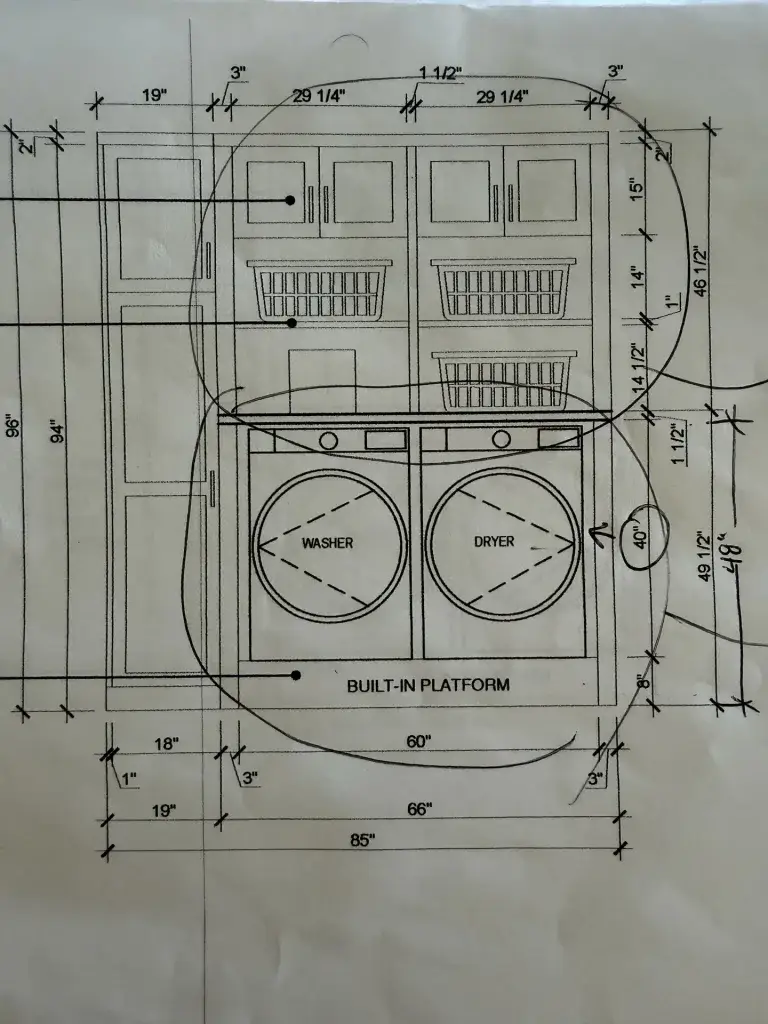
When a home feels effortless to live in, it’s often because dozens of invisible problems were solved before they had the chance to become visible.
The Projects That Feel Easy
After years of managing renovations and new construction, we’ve noticed something interesting. The projects clients describe as “easy” aren’t necessarily the ones with the largest budgets or the simplest scope. They’re the ones where the planning was thorough. Builders aren’t waiting on answers. Trades have coordinated information. Architects aren’t constantly revising drawings. Clients aren’t making major decisions under pressure.
Everyone gets to focus on what they do best instead of reacting to what happens next. Ironically, spending more time before construction often means spending less time during construction.
So, What Are the Most Expensive Four Words?
“We’ll decide later.”
Sometimes waiting truly is the right decision. But more often, those four words quietly become another coordination meeting, another revised drawing, another delayed delivery, another week added to the schedule.
Beautiful homes aren’t created by making every decision perfectly. They’re created by making the important decisions at the right time. And that’s why we’ll always advocate for thoughtful planning long before demolition begins.