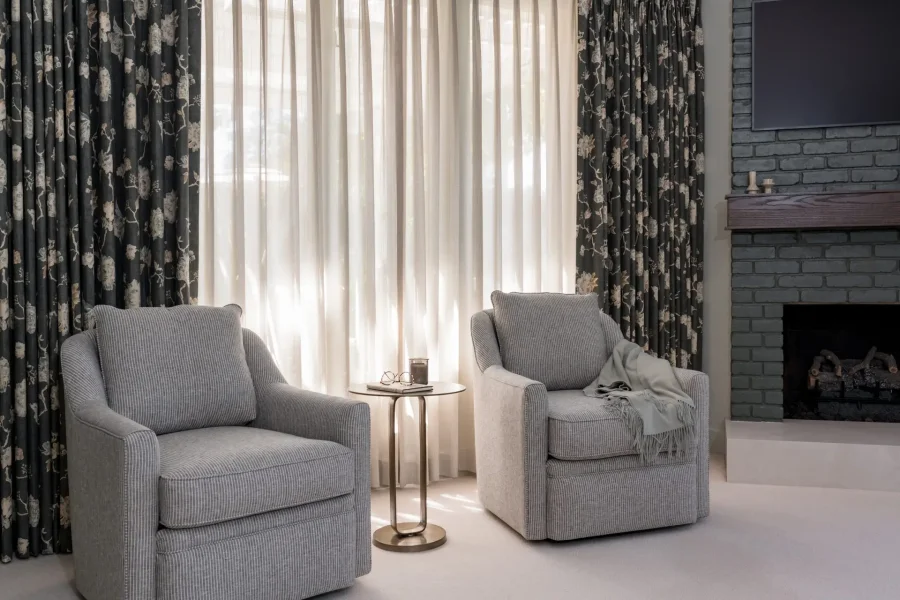
When we think about designing a home for guests, most people instinctively focus on the main living spaces—the living room, the kitchen, maybe the dining area.
And while those rooms matter, they’re rarely the ones people remember most.
Instead, it’s often the smaller, more unexpected spaces that leave a lasting impression. The ones where someone has a quiet moment alone. The ones that feel considered in a way they didn’t anticipate.
Over time, we’ve noticed a pattern. The rooms guests mention—the ones they bring up days later—are rarely the obvious ones.
The Powder Room
If there’s one space that consistently stands out, it’s the powder room.
It’s a room every guest uses, but one that homeowners often treat as secondary. That’s exactly what makes it such an opportunity.
Because it’s a smaller space, you can be more intentional—whether that’s through a bold material, a sculptural light fixture, or simply a more refined level of detail. It’s also a space where guests are alone for a moment, which means they notice everything.
When done thoughtfully, the powder room becomes less of a utility space and more of a moment.

The Entry
First impressions don’t happen in the living room—they happen at the door.
The entry sets the tone for everything that follows. It’s where guests transition from the outside world into your home, and that transition matters.
A well-considered entry doesn’t need to be grand. It just needs to feel intentional. A place to pause, to set something down, to take in the space before moving further inside.
When the entry feels calm and grounded, the rest of the home naturally follows.

The Guest Bedroom
A guest bedroom is one of the most personal ways you can design for someone else.
It’s not just about making the space look nice—it’s about making someone feel comfortable and cared for. Thoughtful lighting, layered bedding, a place to set a suitcase, even something as simple as a glass of water within reach.
Guests remember how a room makes them feel when they wake up there. If the space feels calm, considered, and easy to settle into, it stays with them.

The In-Between Spaces
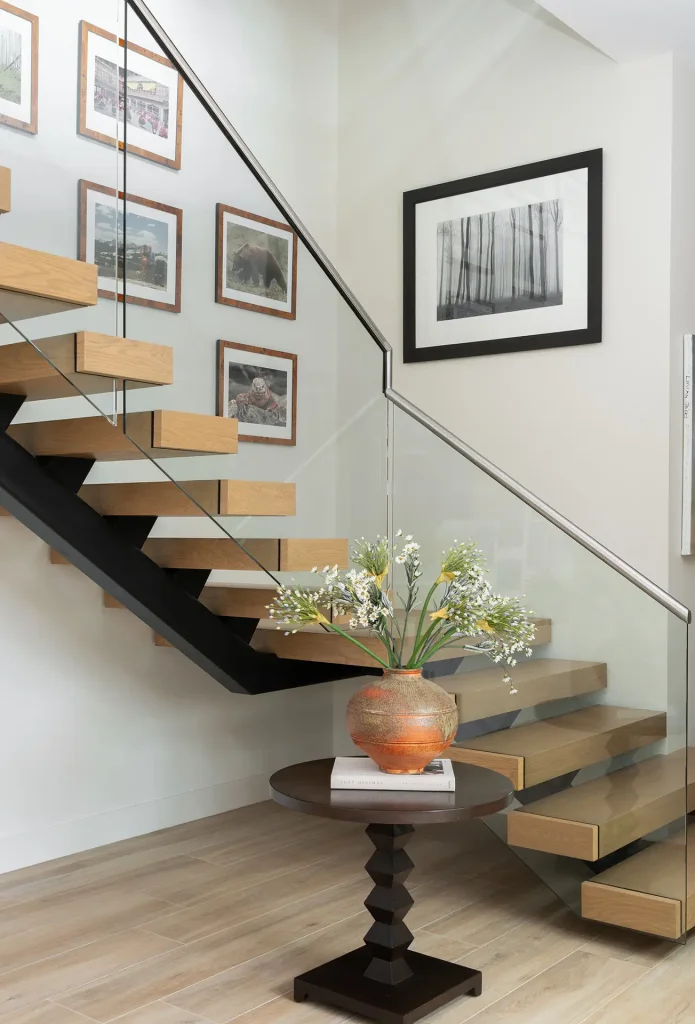
Hallways, transitions, small sitting areas—these are the spaces that are easy to overlook, but they often shape how a home feels as a whole.
Guests move through them naturally, without thinking, which is exactly why they matter. When these areas are thoughtfully designed, they create a sense of continuity. The home feels connected rather than segmented.
Even something as simple as a well-placed light, a piece of art, or a shift in material can turn a pass-through into something memorable.
Why These Spaces Stay With Us
The rooms guests remember most have something in common: they feel intentional.
They’re not always the largest or most styled spaces, but they’re the ones where design meets experience. Where someone pauses, notices, and feels something—even if they can’t quite articulate why.
Designing a home isn’t just about creating beautiful spaces—it’s about shaping how people move through them, how they feel within them, and what stays with them after they leave.